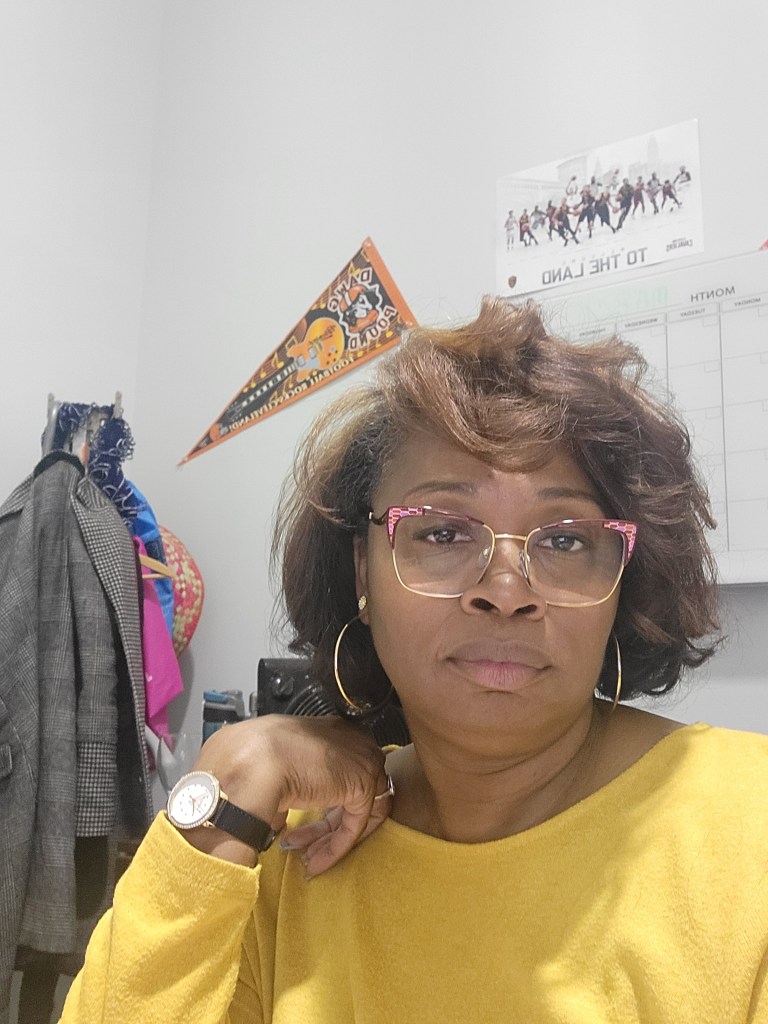
Kelley J. Smith currently serves as the Program Manager for the Wellness Works! initiative in the City of Cleveland’s Department of Human Resources. In this role, she researches, develops, and implements programs and activities focused on well-being for City employees and their families. Kelley is an advocate for the City’s employees, acting as their primary contact regarding the Wellness Works and Wealth Work$ programs. Alongside her assistant, she seeks ways to encourage employees to adopt healthier lifestyles by promoting the five dimensions of well-being adopted by the City of Cleveland: Physical, Mental, Environmental, Occupational, and Financial.
As a key member of the City’s HR Department, Kelley collaborates with various community partners to provide resources for City employees. This includes connecting them with healthcare agencies, wellness fairs, mental health centers, financial institutions, community runs, and a variety of related activities. Kelley has been with the City of Cleveland for nearly 25 years, having held various positions during her tenure.
Born and raised in Cleveland, Kelley attended school within the Cleveland Metropolitan School District and earned a Bachelor’s Degree in Communications from the University of Akron. In her spare time, she enjoys spending time with her family, volunteering through Hands-On Northeast Ohio, and following the Cleveland Browns and Cleveland Guardians. As an enthusiastic Clevelander, Kelley is passionate about service work and has participated in numerous community outreach programs over the years.
Hypertension, commonly known as high blood pressure, is often referred to as the “silent killer” because it usually presents no warning signs or symptoms. However, it can lead to serious health complications, including heart disease, stroke, and kidney failure. The World Health Organization reports that over 1.28 billion adults aged 30 to 79 suffer from hypertension globally, with nearly half unaware of their condition. Understanding hypertension, its causes, and how to manage it is essential for maintaining long-term health.
What Is Hypertension?
Blood pressure is the force exerted by circulating blood against the walls of the arteries. It is measured using two numbers:
**Systolic pressure** (the top number) indicates the pressure in your arteries when your heart beats.
**Diastolic pressure** (the bottom number) measures the pressure in your arteries when your heart rests between beats.
A normal blood pressure reading is typically around 120/80 mmHg. Hypertension is generally diagnosed when blood pressure consistently measures 130/80 mmHg or higher.
There are two main types of hypertension
1. **Primary (Essential) Hypertension** This type develops gradually over many years and has no single identifiable cause. Genetics, aging, and lifestyle choices play significant roles.
2. **Secondary Hypertension** This type results from an underlying condition, such as kidney disease, hormonal disorders, or the use of certain medications. It tends to appear more suddenly and can lead to higher blood pressure levels.
Common Risk Factors Include:
**Poor Diet** A high intake of salt (sodium), processed foods, and saturated fats.
**Physical Inactivity** A sedentary lifestyle can lead to weight gain and increase cardiovascular stress.
**Excessive Alcohol and Tobacco Use** These habits can damage arteries and raise blood pressure.
**Obesity** Extra body weight increases the workload on the heart.
**Stress** Chronic stress can contribute to spikes in blood pressure.
**Family History** Genetics can play a role in your likelihood of developing hypertension.
Why It Matters
High blood pressure often doesn’t cause noticeable symptoms, but over time, it can lead to severe damage to your body. Uncontrolled hypertension can:
**Strain Your Heart** Leading to heart failure or irregular heartbeat.
**Damage Blood Vessels** Increasing the risk of aneurysms and blood clots.
**Affect Your Brain** Causing strokes, cognitive decline, and even dementia.
**Harm Your Kidneys** Leading to kidney failure and the need for dialysis.
Because the damage occurs quietly and gradually, many people do not realize they have hypertension until serious complications arise.
Prevention and Management
The good news is that hypertension is both preventable and manageable. Here are some steps you can take:
1. **Eat a Heart-Healthy Diet**
– Focus on fruits, vegetables, whole grains, and lean proteins.
– Limit sodium intake to less than 2,300 mg per day (ideally closer to 1,500 mg).
– Consider following the DASH diet (Dietary Approaches to Stop Hypertension), which is specifically designed to reduce blood pressure.
2. **Stay Active**
– Aim for at least 150 minutes of moderate-intensity exercise per week, such as brisk walking, cycling, or swimming.
– Regular physical activity strengthens the heart and helps lower blood pressure.
3. **Maintain a Healthy Weight**
– Even a slight weight loss can help lower your blood pressure if you’re overweight.
– Combine diet and exercise to maintain a healthy body mass index (BMI).
4. **Manage Stress**
– Practice mindfulness, meditation, deep breathing, or yoga to reduce stress levels.
– Make time for hobbies and social connections.
5. **Limit Alcohol and Avoid Tobacco**
– Drink alcohol in moderation—no more than one drink per day for women and two for men.
– Quit smoking, as nicotine raises blood pressure and damages your blood vessels.
6. **Monitor Your Blood Pressure**
– Regular check-ups are essential, especially if you have risk factors.
– Home blood pressure monitors are affordable and easy to use.
7. **Take Medication If Needed**
– If lifestyle changes aren’t sufficient, your doctor may prescribe medication.
– It’s important to take your medication as directed and to follow up with your healthcare provider regularly.
**Final Thoughts**
Hypertension may not receive as much attention as other health crises, but its impact is significant and widespread. Since it often has no symptoms, regular screenings and proactive lifestyle changes are crucial. Whether you are looking to prevent high blood pressure or manage an existing condition, taking charge of your health today can help extend your life tomorrow.
If you haven’t had your blood pressure checked recently, make an appointment. It’s a small step that could save your life.
Welcome to WordPress! This is a sample post. Edit or delete it to take the first step in your blogging journey. To add more content here, click the small plus icon at the top left corner. There, you will find an existing selection of WordPress blocks and patterns, something to suit your every need for content creation. And don’t forget to check out the List View: click the icon a few spots to the right of the plus icon and you’ll get a tidy, easy-to-view list of the blocks and patterns in your post.

 Kelleico25 Keeps you informed!